A lot of promotional product budgets are spent on the wrong thing — not because the products are bad, but because nobody asked who was going to use them and where. Here is the filter we apply before recommending anything.
Start with where it will live
One of the best questions to ask before choosing a promotional product is where the recipient will actually keep it.
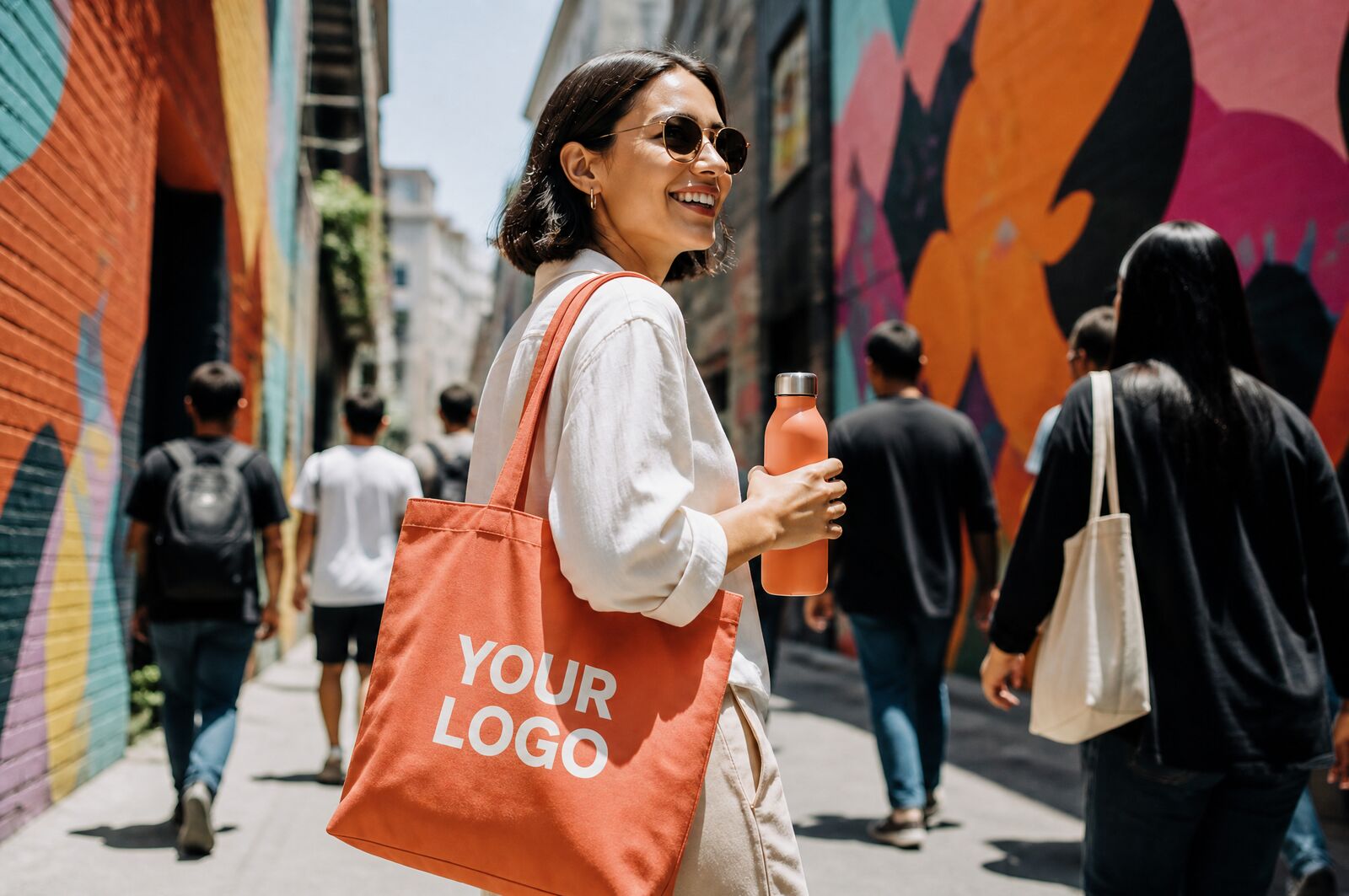
A bottle lives on a desk or in a gym bag. A tote might live by the front door or in the car. The easier it is to imagine the product becoming part of someone’s routine, the more likely it is to be used.
Ask yourself where the recipient will physically put the item. If there is no obvious answer, it may not be the right choice.
Match the item to the relationship
- Mass giveaway — trade show, street activation. Low unit cost, high volume, instantly useful. Pens, tote bags, notepads. The goal is reach, so do not overspend per unit.
- Warm leads — conference delegates, workshop attendees. Mid-range and genuinely useful. Drinkware, notebooks, cables. These people already know who you are; the item is a reminder, not an introduction.
- Clients and staff. Fewer units, better quality. A good jacket or an insulated bottle gets used for years. A cheap product can undermine the impression you’re trying to make.
A rough rule: the fewer people receiving it, the more you should spend per unit. Spreading a fixed budget thinly across a premium audience is the most common way to waste it.
Useful beats clever
Novelty products can work brilliantly when they fit the audience, campaign or moment. But for everyday promotional products, usefulness usually gives you more staying power.
Items that solve a small recurring problem — a charging cable that lives in a bag, an umbrella in the car, a decent pen on a desk — tend to get used again and again. Each use gives your brand another impression.
The goal is not simply to choose the most interesting product. It is to choose something people will want to keep using.
Think about where your logo actually goes
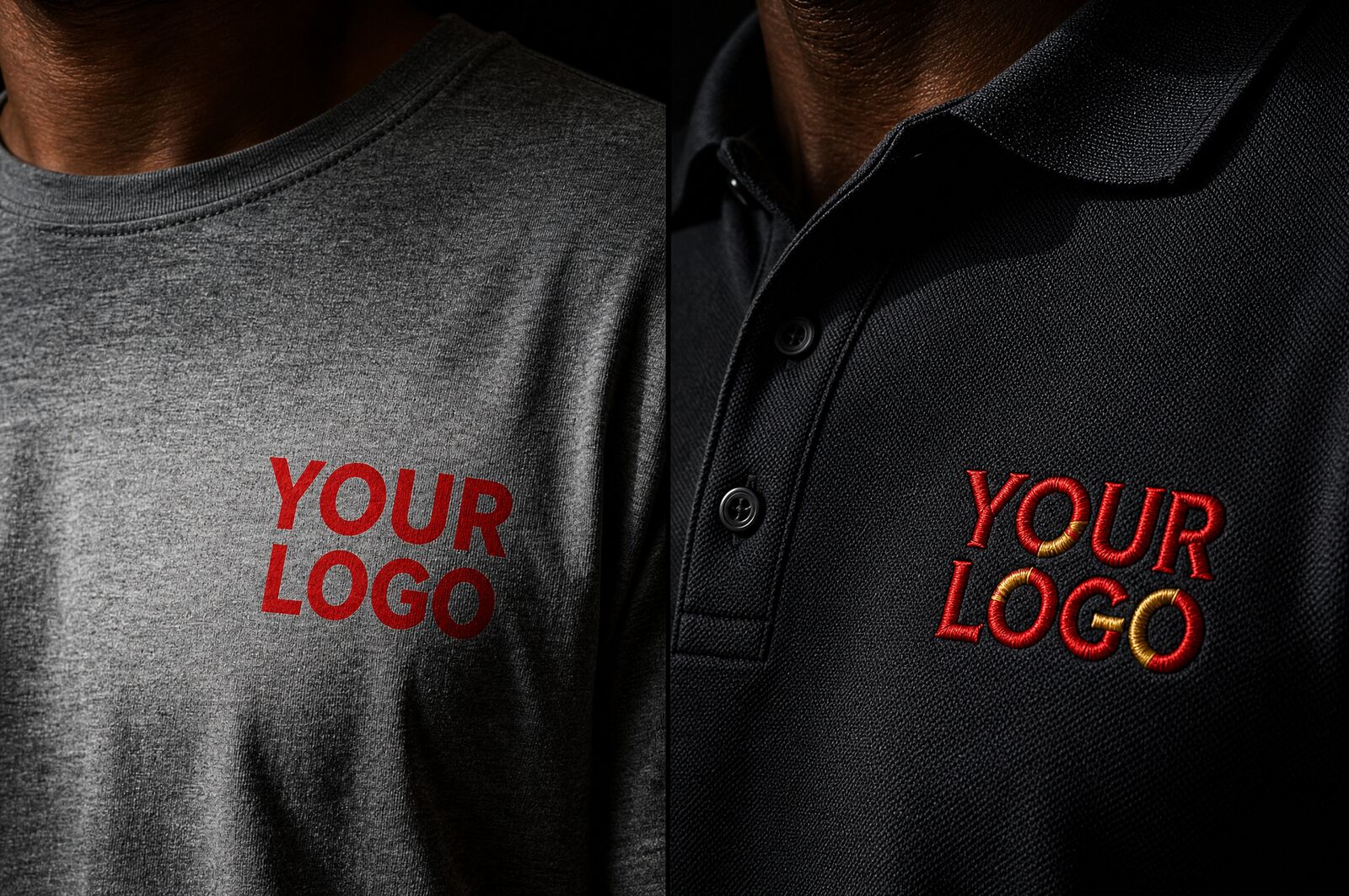
A product with a large flat printable panel gives your brand room to be seen. A product with a tiny curved decoration area gives you a logo nobody can read at arm's length. Check the print area before you fall in love with the product — it is on every product page, and it is covered in more detail in our guide to decoration methods.
Order earlier than feels necessary
Production time starts once your artwork is approved and payment has been received, not when you first place the order. The artwork stage is where almost every delay happens — a logo that needs redrawing, a colour that needs confirming, an approver on leave. Building in an extra couple of weeks gives you breathing room and can help avoid rush fees.
A quick checklist
- Who is receiving it, and how many of them are there?
- Where will it physically live once they have it?
- Does it solve a small recurring problem?
- Is the decoration area big enough for the logo to read?
- When do you need it in hand — and have you added two weeks?
Work through those five and the shortlist usually writes itself. If you would rather talk it through, get in touch — scoping the brief is the part we are actually good at.